
Online Therapy Serving Florida | 561-247-5550 | 7750 Okeechobee Blvd Suite #4-1032, West Palm Beach, FL 33411 10570 S U.S. Hwy 1, Port St. Lucie, FL 34952 225 N Pace Blvd, Pensacola, FL 32505

Trauma

How Trauma Contributes to Chronic Anxiety and What to Do About It

Your body isn’t anxious for no reason — it’s protecting you from a danger that’s long gone.
Trauma can trap your brain in a permanent fight-or-flight mode, making everyday life feel like a battlefield. The good news? You can rewire it. Here’s how trauma fuels chronic anxiety — and the steps that can help you break free →

How Trauma Contributes to Chronic Anxiety and What to Do About It Read More »

How Trauma Can Lead to Depression and Ways to Heal

A single overwhelming event can flip your stress response into permanent overdrive, rewiring neural pathways and disrupting the brain chemicals that keep your mood balanced. Over time, this constant “survival mode” can open the door to depression. But here’s the hopeful part: the same brain that trauma changes can also heal. In this post, we’ll explore how trauma can lead to depression, what happens in your brain when it does, and the proven strategies – from daily habits to EMDR therapy – that can help you reclaim peace and joy.

How Trauma Can Lead to Depression and Ways to Heal Read More »

woman being lead in emdr

How EMDR Helps Rewire the Brain After Trauma

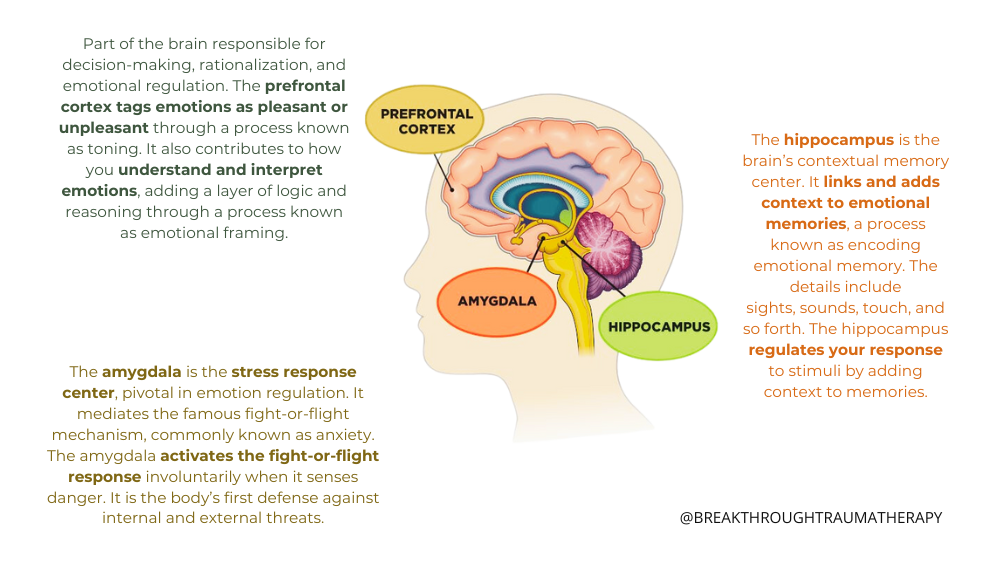
EMDR therapy taps into your brain’s remarkable ability to adapt, heal, and rewire itself. Through the science of neuroplasticity, EMDR helps quiet the overactive fear centers of your brain and reconnect fragmented memories. If you’ve ever wondered how a therapy involving eye movements could change how you feel, think, and respond to life after trauma – this is your guide. Dive into the neuroscience behind trauma and discover how EMDR resets the brain’s alarm system, one neural pathway at a time.

How EMDR Helps Rewire the Brain After Trauma Read More »

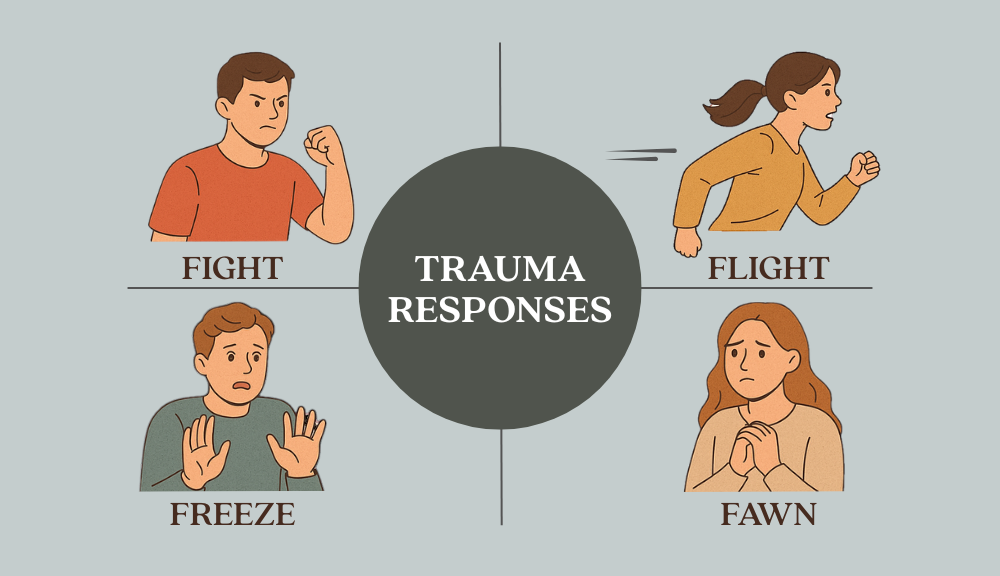
Trauma Responses: Fight, Flight, Freeze, or Fawn—Which One Do You Experience?

Trauma is an emotional response to a distressing event. According to science, you can respond to a traumatic event by fighting, fleeing, freezing, or fawning. The body prepares you through a cascade of biochemical reactions that manifest physically. The entire process is known as the stress response.

Trauma Responses: Fight, Flight, Freeze, or Fawn—Which One Do You Experience? Read More »