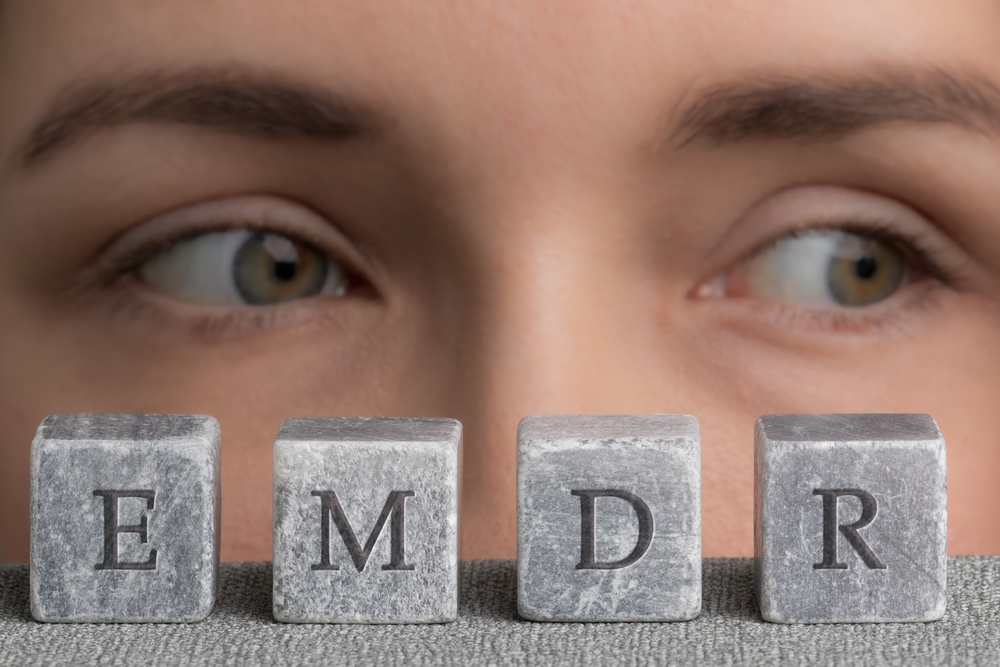
Have you ever felt like a difficult memory keeps replaying in your mind? Or that old experiences keep impacting your current life in the most unhelpful ways? If so, EMDR might be worth exploring. EMDR or Eye Movement Desensitization and Reprocessing therapy, is a powerful therapeutic tool used to help in the processing of painful or traumatic memories.
EMDR therapy uses bilateral stimulation while encouraging a client to discuss a specific memory with a skilled therapist. Bilateral stimulation engages both hemispheres of the brain thus improving communication between the two sides and allowing the brain to reprocess the memory in a healthy way.
EMDR has seen tremendous success in recent years and thus it has become one of the most recognized and recommended treatments for trauma.
Who will benefit from EMDR?
People Living With PTSD:
EMDR is best known for treating Post Traumatic Stress Disorder (PTSD). Unfortunately, trauma is everywhere and many people suffer from PTSD. Trauma can stem from many life events such as:
-
-
-
-
- Military deployment or combat
- First responder exposure
- Being involved in an accident
- Medical trauma
- Being a victim of or witnessing violence
- Living through a natural disaster
-
-
-
EMDR helps reprocess disturbing memories from any traumatic life event so the memory (and the associated emotions) no longer feel as overwhelming. Additionally, EMDR can provide a way to process repeat experiences before they pile up and become overwhelming.
Survivors of Childhood Trauma:
For better or worse, childhood experiences shape self-esteem, future relationships, and our ability to regulate our emotions. For many people childhood wasn’t safe and they carry deep wounds from their childhood. Even if those moments feel far away, they can still enact damage in the present. Childhood memories often trigger difficult emotions such as anger, fear, jealousy, lack of trust, control and manipulation. EMDR can help loosen the hold that painful childhood memories have on the present, giving survivors the ability to live more fully in the present.

Individuals Struggling With Anxiety or Panic:
People with generalized anxiety, social anxiety, or panic attacks benefit from EMDR. Anxiety often isn’t about what’s happening right now, anxiety is frequently tied to earlier moments when someone felt unsafe. EMDR can help untangle the connections to the past, which often eases the intensity of anxiety and panic.
People Coping With Loss:
Grief can often feel endless, especially when a loss is sudden or traumatic. EMDR can help people process complicated grief while still honoring loved ones. EMDR doesn’t erase grief, it just allows people to find a better way to carry it so grief no longer feels like it’s controlling every part of their lives.
Individuals With Phobias and Fears:
Many people live with fears. For some people those fears greatly impact their daily lives. Perhaps you are unable to get on a plane to visit a loved one. Perhaps you can’t give a required presentation at work. Perhaps you put off needed medical procedures. Whatever the fear may be, EMDR can help uncover how the fear first began and help lessen the intensity of the response.
People Suffering from Eating Disorders:
EMDR can help identify and process past experiences of trauma, abuse and neglect that may have contributed to the development of disordered eating. Often individuals struggling with eating disorders have experienced teasing or bullying related to their weight or appearance, which may have led to negative beliefs about themselves. EMDR can help challenge negative beliefs that resulted from these experiences.
Survivors of Abuse or Neglect:
Emotional, physical, or sexual abuse leaves lasting scars. EMDR provides a safe way to reprocess those experiences so they no longer dominate a person’s daily life.
People in Recovery From Addiction and Compulsions:
Many people with compulsions and substance use struggles have underlying trauma. Once someone in recovery has reached a safe place in their recovery, EMDR can help address the root causes that fuel addictive and compulsive behaviors, making recovery more sustainable long-term.

Anyone Wanting to Heal Old Wounds:
Even if you don’t think of your experiences as “trauma,” EMDR can still help. Often people don’t identify a specific trauma, but they feel weighed down by unresolved experiences or self-limiting beliefs. Beliefs such as “I will never be good enough” or “I can’t be safe.” EMDR helps those who are ready to, move forward with more freedom and confidence.

So… can EMDR help you?
At its heart, EMDR helps people let go of the weight of the past. It is not just for those suffering from PTSD. If trauma, anxiety, grief, fear, recovery or painful memories are impacting your daily life in a negative way, EMDR is a therapeutic tool you should consider.
EMDR uses a well-documented process to target traumatic or stressful experiences that interfere with the part of our brain that processes memory. These memories often come with powerful emotional responses. EMDR is not about forgetting these memories. It’s about remembering differently, without so much emotion attached.
Are you ready to feel lighter and more in control of your emotions? Our providers are certified and highly skilled EMDR providers. Reach out today to begin your healing journey.